
Infection Control in Dental Practices: Guidelines
Infection control in dental practices protects patients and staff from risks. Dental treatments generate aerosols and splatter that can facilitate infections. That is why strict measures are required.
Standard Hygiene Practices
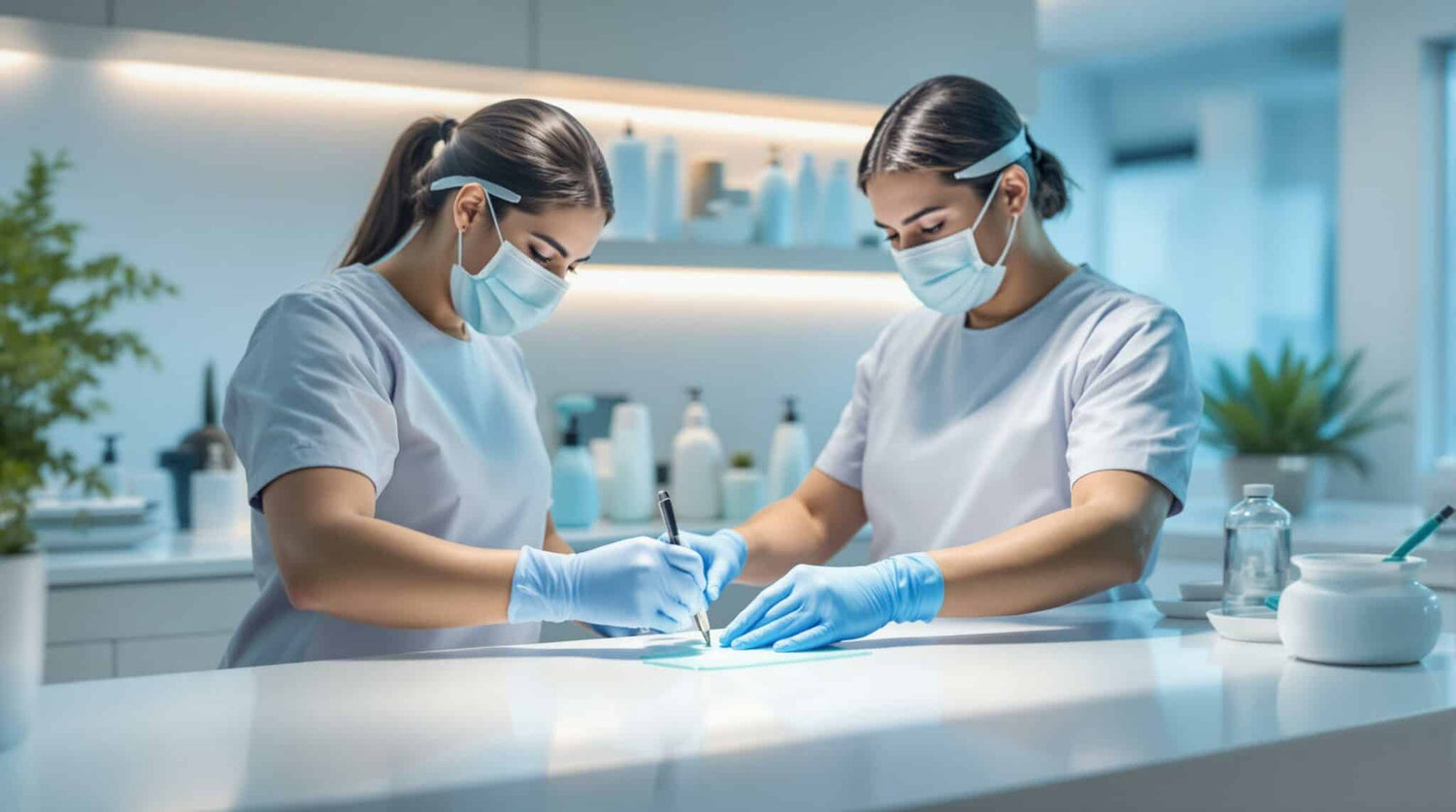
Personal protective equipment (PPE) is essential in every dental practice. Disposable gloves, masks, face shields, and gowns must be worn during all patient contact and treatment procedures. Hand hygiene is the most important single measure for preventing infections. Healthcare workers must wash their hands with soap and water or use alcohol-based hand sanitizers before and after each patient interaction.
Hand Hygiene Rules
Proper hand hygiene includes washing hands for at least 20 seconds with soap and running water. Alcohol-based hand sanitizers containing at least 60% alcohol can be used when hands are not visibly soiled. Hand hygiene must be performed before donning gloves and after their removal.
Required Protective Equipment
Every member of the dental team must wear appropriate personal protective equipment. This includes:
- Disposable nitrile gloves (changed between each patient)
- Protective face masks or respirators (N95 masks when necessary)
- Face shields or protective eyewear
- Protective gowns or aprons
- Head coverings when appropriate
Cleaning and Disinfection Steps
After each patient, all treatment surfaces must be cleaned with detergent and water, then disinfected with an appropriate disinfectant. High-touch surfaces such as light handles, control buttons, and armrests require particular attention. The disinfectant must remain in contact with the surface for the time specified by the manufacturer (usually 10 minutes).
Surface Disinfectants
Effective disinfectants include quaternary ammonium compounds, phenolic compounds, and chlorine-based disinfectants. The choice depends on the type of surface and the specific pathogens of concern. All disinfectants must be EPA-registered and used according to label instructions.
Sterilization of Instruments
Reusable dental instruments must be sterilized between patients using an autoclave or other appropriate sterilization method. Instruments must be cleaned thoroughly before sterilization to remove all organic material. The sterilization process must be monitored using biological indicators to ensure effectiveness.
Management of Sharps
Needles, scalpels, and other sharp instruments must be handled carefully and disposed of in rigid, puncture-proof sharps containers. Staff must be trained in proper sharps handling to prevent needlestick injuries.
Air Quality and Ventilation
Proper ventilation is critical in dental operatories. High-efficiency particulate air (HEPA) filters remove airborne particles including viral and bacterial particles. Modern dental offices should have air exchange rates of at least 6-12 air changes per hour.
Patient Screening and Testing
All patients should be screened for symptoms of infectious disease before treatment. This includes asking about respiratory symptoms, fever, and recent exposure to contagious diseases. Patients with suspected infectious disease should be referred to appropriate healthcare settings for evaluation.
Documentation and Record-Keeping
All infection control procedures must be documented. This includes training records, equipment maintenance logs, sterilization verification records, and incident reports. Documentation ensures compliance with regulations and helps identify areas for improvement.
Staff Training
All dental team members must receive regular training on infection control procedures. Training should cover the rationale for each procedure, proper technique, and emergency response. Staff must demonstrate competency in all infection control measures.
Compliance and Inspections
Dental practices must comply with regulations established by the CDC, OSHA, and state health departments. Regular self-inspections help identify and correct deficiencies. External inspections by health department officials verify ongoing compliance.
Recommended Products

Leave a comment
All comments are moderated before being published.
This site is protected by hCaptcha and the hCaptcha Privacy Policy and Terms of Service apply.